 Australia
 Singapore
 Philippines
 India
India5.49 MIN READ
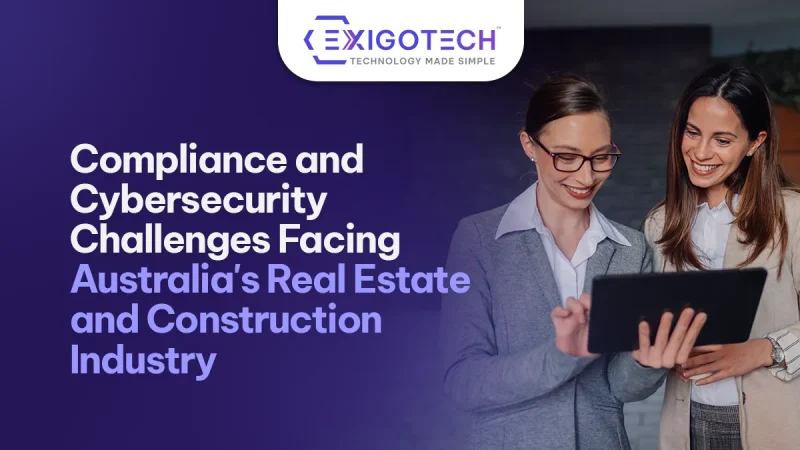
Compliance and Cybersecurity Challenges Facing Australia’s Real Estate and Construction Industry
 Niten Devalia | Sep 04, 2026
Australia’s real estate and construction industry is becoming increasingly dependent on digital technology. Property management platforms, construction management software, cloud applications, digital plans, project collaboration tools, accounting systems, and connected devices are helping organisations manage complex projects and large volumes of information more efficiently.
But greater digital connectivity also creates greater cyber risk.
Real estate and construction businesses handle valuable financial information, property data, contracts, development plans, customer information, and supplier details. They also work with large networks of subcontractors, consultants, suppliers, agents, and external service providers. This combination makes the industry an attractive target for cybercriminals.
A successful cyberattack can do more than expose information. It can interrupt construction projects, delay property transactions, disrupt payments, compromise development plans, and affect relationships across an entire project ecosystem.
At Exigo Tech, we help real estate and construction organisations strengthen cybersecurity, compliance, and technology resilience as their Managed Intelligence Partner, helping them reduce risk while keeping projects and property operations moving.
Why Real Estate and Construction Are Attractive Cyber Targets
Construction and real estate businesses operate across multiple locations, teams, systems, and external partners.
A typical project may involve developers, builders, architects, engineers, subcontractors, suppliers, financiers, and government authorities, all exchanging information digitally.
This creates a broad attack surface.
Common threats include:
- Business email compromise
- Ransomware
- Phishing and credential theft
- Supply chain attacks
- Insider threats
- Data theft
- Cloud security misconfigurations
For construction businesses, an attack that takes systems offline can potentially affect project timelines and contractual commitments. For real estate organisations, compromised email or financial systems can create opportunities for payment fraud and sensitive information theft.
Challenge 1: Securing Project and Property Information
Real estate and construction businesses manage highly valuable information throughout the lifecycle of a project or property.
This may include:
- Development plans
- Building designs
- Property information
- Contracts
- Financial records
- Customer information
- Supplier details
- Tender documentation
Unauthorised access to this information can create financial, competitive, and reputational risks.
Organisations need appropriate access controls, data classification, encryption, and monitoring to ensure sensitive information is available only to authorised users.
Challenge 2: Managing Subcontractor and Third-Party Access
Few industries depend on external partners as heavily as construction.
Builders and developers may provide system or data access to subcontractors, architects, engineers, consultants, suppliers, and other project stakeholders.
The challenge is maintaining visibility and control over this access.
Third-party accounts should only have access to the systems and information they actually need. Access should also be reviewed regularly and removed when a project or engagement ends.
Strong third-party governance reduces the possibility of a compromised supplier account becoming an entry point into the broader business.
Challenge 3: Protecting Against Payment Fraud
Real estate and construction involve significant financial transactions, making payment processes an attractive target for cybercriminals.
Attackers may compromise an employee’s email account and monitor conversations relating to:
- Supplier payments
- Property settlements
- Invoices
- Project payments
- Bank account changes
Once they understand the communication pattern, attackers can impersonate trusted parties and introduce fraudulent payment instructions.
Businesses should implement multi-person approval processes and independent verification for changes to payment details or high-value transactions.
Challenge 4: Securing Distributed Workforces
Construction teams rarely work from a single office.
Employees and contractors may access business systems from:
- Construction sites
- Client locations
- Home offices
- Mobile devices
- Temporary project offices
This distributed working model makes traditional perimeter-based security less effective.
Identity-based security, Multi-Factor Authentication (MFA), Conditional Access, endpoint protection, and device compliance controls can help ensure that users and devices are appropriately secured regardless of where they connect from.
Challenge 5: Maintaining Project Continuity During Cyber Incidents
Construction projects operate against deadlines and contractual commitments.
A ransomware incident affecting project management platforms, shared documents, financial systems, or communication tools can quickly disrupt operations.
The consequences can extend beyond IT recovery to include:
- Project delays
- Missed deadlines
- Increased costs
- Supplier disruption
- Contractual issues
- Customer dissatisfaction
Reliable backups, disaster recovery, business continuity planning, and tested incident response procedures are therefore critical.
Challenge 6: Meeting Growing Compliance Expectations
Cybersecurity requirements are increasingly becoming part of commercial relationships.
Real estate and construction organisations may need to demonstrate that they have appropriate controls for protecting sensitive information, managing third-party risk, and responding to security incidents.
Australian businesses also need to consider their obligations under applicable privacy and data protection requirements, including the Privacy Act where personal information is involved.
For organisations working with larger enterprises or government customers, cybersecurity maturity may also influence supplier assessments and contract opportunities.
Compliance should therefore be treated as an ongoing business responsibility rather than a one-time exercise.
Challenge 7: Protecting Cloud-Based Business Applications
Cloud platforms have become central to how construction and real estate organisations collaborate.
Microsoft 365, cloud storage, project management applications, CRM platforms, accounting systems, and other SaaS solutions allow teams to work together across locations.
However, cloud adoption introduces its own security considerations.
Common risks include:
- Excessive permissions
- Weak identity controls
- Unmanaged devices
- Misconfigured applications
- Unauthorised third-party integrations
- Poor visibility across cloud environments
Regular cloud security assessments help identify configuration and access issues before they become security incidents.
Building a Strong Cybersecurity Strategy
Real estate and construction businesses do not need to address every risk simultaneously. A structured approach can help prioritise the controls that have the greatest impact.
-
Strengthen Identity and Access
Implement MFA, Microsoft Entra ID, Conditional Access, and least-privilege access to protect accounts and sensitive business systems.
-
Secure Endpoints and Mobile Devices
Ensure laptops, desktops, smartphones, and other devices accessing company resources have appropriate security controls and are monitored for suspicious activity.
-
Protect Business and Project Data
Use data classification, access controls, encryption, and governance policies to protect sensitive documents throughout their lifecycle.
-
Manage Third-Party Risk
Assess suppliers and subcontractors, restrict their access, and regularly review accounts and permissions.
-
Improve Security Monitoring
Continuous monitoring helps organisations identify suspicious activity early and respond before an incident causes significant operational disruption.
-
Test Recovery Plans
Backups are only valuable if they can be successfully restored. Regularly test recovery processes and ensure critical business systems have appropriate continuity plans.
Why Choose Exigo Tech as Your Managed Intelligence Partner
At Exigo Tech, we help Australian real estate and construction organisations strengthen their technology environments while improving cybersecurity, compliance, and operational resilience.
As your Managed Intelligence Partner, we provide:
- Real Estate and Construction Cybersecurity Assessments
- Managed Security as a Service (MSaaS)
- Microsoft 365 security and governance
- Microsoft Entra ID and identity security
- Cloud security assessments
- Endpoint and device protection
- Security monitoring and incident response
- Compliance and risk advisory
- Managed IT and cloud services
Our approach combines technology, security expertise, and ongoing guidance to help organisations reduce risk without creating unnecessary complexity.
 Exigo Tech - Ask AI (Beta)