 Philippines
 Australia
 Singapore
 India
India5.29 MIN READ
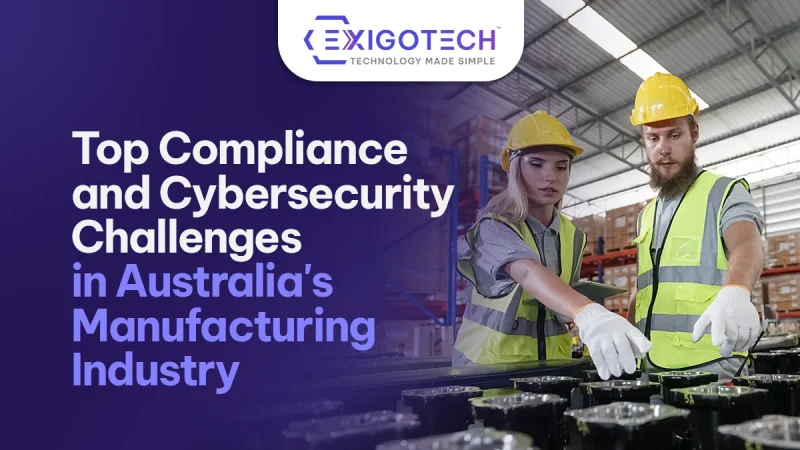
Top Compliance and Cybersecurity Challenges in Australia’s Manufacturing Industry
 Niten Devalia | Aug 07, 2026
Australia’s manufacturing sector is undergoing rapid digital transformation. Smart factories, connected machinery, Industrial Internet of Things (IIoT) devices, cloud-based ERP systems, and AI-powered automation are helping manufacturers improve productivity, optimise supply chains, and respond more quickly to customer demands.
While these technologies offer significant business advantages, they also introduce new cybersecurity and compliance challenges.
Manufacturers are increasingly targeted by cybercriminals because they rely on continuous operations, manage valuable intellectual property, and operate complex supply chains. At the same time, businesses must meet growing regulatory and customer expectations around data security, privacy, and operational resilience.
To remain competitive, manufacturers need a strategy that integrates cybersecurity, compliance, and operational excellence.
At Exigo Tech, we help manufacturers strengthen their digital operations as their Managed Intelligence Partner, delivering secure, compliant, and resilient technology environments that support long-term growth.
Why Manufacturing Is a Prime Target for Cyberattacks
Manufacturing has become one of the most targeted industries for cybercrime.
Unlike many other sectors, manufacturers cannot afford extended downtime. Even a short production interruption can impact revenue, customer commitments, inventory, and supply chains.
Attackers recognise this pressure, making manufacturers attractive targets for:
- Ransomware attacks
- Supply chain compromises
- Intellectual property theft
- Business email compromise
- Insider threats
- Operational technology (OT) attacks
As manufacturing environments become increasingly connected, the attack surface continues to expand.
Challenge 1: Protecting Operational Technology (OT)
Modern manufacturing environments rely on operational technology such as:
- Production equipment
- Industrial control systems
- Programmable Logic Controllers (PLCs)
- Supervisory Control and Data Acquisition (SCADA) systems
- Industrial IoT devices
Many of these systems were designed for reliability rather than cybersecurity.
Connecting OT systems with corporate IT networks improves efficiency but also increases cyber risk if appropriate security controls are not implemented.
Protecting both IT and OT environments is essential for maintaining safe and uninterrupted production.
Challenge 2: Managing Supply Chain Risk
Manufacturers rarely operate in isolation.
Suppliers, logistics providers, distributors, and service partners often require access to business systems and shared information.
If one organisation within the supply chain experiences a cyber incident, connected businesses may also be affected.
Reducing supply chain risk involves:
- Assessing third-party security
- Managing vendor access
- Monitoring external connections
- Applying least-privilege access
- Regularly reviewing supplier security practices
Strong supplier governance helps reduce the likelihood of cyber incidents spreading across the supply chain.
Challenge 3: Meeting Compliance Requirements
Australian manufacturers must comply with a range of legal, contractual, and industry obligations.
Depending on the business, these may include:
- Privacy Act requirements
- Customer security requirements
- Industry certifications
- Export and defence-related obligations
- Contractual cybersecurity standards
Compliance is no longer simply a documentation exercise. Customers increasingly expect manufacturers to demonstrate mature cybersecurity practices before awarding contracts.
Building security into everyday operations helps organisations meet both regulatory and commercial expectations.

Challenge 4: Protecting Intellectual Property
Manufacturers invest heavily in research, product design, engineering drawings, formulas, and production processes.
This intellectual property represents significant competitive value.
Without appropriate protections, cybercriminals may target:
- Product designs
- Technical documentation
- Customer specifications
- Manufacturing processes
- Commercial information
Implementing strong identity management, encryption, access controls, and continuous monitoring helps reduce the risk of intellectual property theft.
Challenge 5: Securing Cloud and Hybrid Environments
Many manufacturers now operate hybrid technology environments combining on-premises infrastructure with Microsoft Azure and Microsoft 365.
While cloud technologies improve flexibility and collaboration, they also introduce new security considerations.
Common risks include:
- Misconfigured cloud resources
- Excessive user permissions
- Unsecured remote access
- Weak identity management
- Inconsistent security policies
Maintaining consistent security across hybrid environments is critical for reducing cyber risk.
Challenge 6: Workforce Cyber Awareness
Employees remain one of the most important components of cybersecurity.
Manufacturing organisations often have office staff, plant operators, contractors, engineers, and remote workers, all with different technology requirements.
Regular security awareness training helps employees identify:
- Phishing emails
- Social engineering attacks
- Suspicious activity
- Password risks
- Data handling responsibilities
An informed workforce significantly strengthens an organisation’s overall security posture.
Building a Strong Cybersecurity and Compliance Strategy
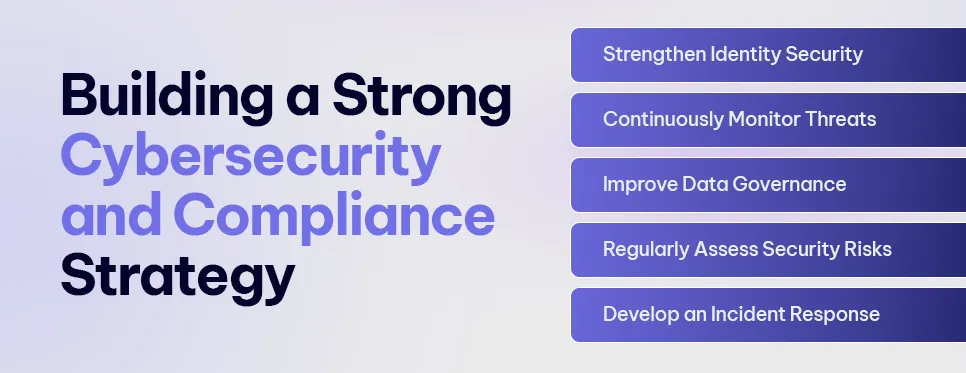
Rather than addressing risks individually, manufacturers should adopt a comprehensive security strategy.
Key focus areas include:
-
Strengthen Identity Security
Implement Multi-Factor Authentication (MFA), Conditional Access, and Microsoft Entra ID to protect user identities and control access to business systems.
-
Continuously Monitor Threats
Ongoing security monitoring enables organisations to identify suspicious activity and respond quickly before incidents escalate.
-
Improve Data Governance
Classifying sensitive information and managing access permissions helps protect valuable intellectual property while supporting compliance.
-
Regularly Assess Security Risks
Technology environments evolve rapidly. Routine security assessments help identify vulnerabilities, configuration issues, and emerging risks before they impact operations.
-
Develop an Incident Response Plan
Preparing for cyber incidents ensures organisations can respond quickly, minimise downtime, and recover more effectively when disruptions occur.
Cybersecurity and Compliance Work Together
Compliance and cybersecurity are often viewed as separate initiatives.
In reality, they support one another.
Strong cybersecurity helps organisations:
- Protect sensitive business information
- Demonstrate due diligence
- Support customer trust
- Meet regulatory obligations
- Improve operational resilience
Rather than treating compliance as a checklist, manufacturers should view it as part of a broader strategy for managing business risk.
Why Choose Exigo Tech as Your Managed Intelligence Partner
At Exigo Tech, we help Australian manufacturers strengthen cybersecurity, improve compliance, and modernise technology environments that support future growth.
As your Managed Intelligence Partner, we provide:
- Cybersecurity Assessments
- Managed Security as a Service (MSaaS)
- Microsoft Defender implementation
- Microsoft Entra ID and identity security
- Cloud security and governance
- Compliance and risk advisory
- Data protection and governance
- Ongoing managed IT and cybersecurity services
Our integrated approach helps manufacturers reduce cyber risk while enabling secure innovation across production, operations, and supply chain environments.

 Exigo Tech - Ask AI (Beta)